
 +86 18721624519

When Solid-State Batteries Meet Humanoid Robots, the Energy Storage Industry Enters a Moment of "Intelligent Evolution"
With the leap in battery technology and the continuous iteration of artificial intelligence, we are advancing toward the robot era at an unprecedented pace. UBS Group's latest forecast indicates that by 2035, the global humanoid robot market could reach $30 billion to $50 billion, potentially expanding to $1.4 trillion to $1.7 trillion by 2050. Behind this grand narrative, battery systems-particularly high-performance energy storage technologies-are emerging as the core driving force behind the commercialization of intelligent robots.
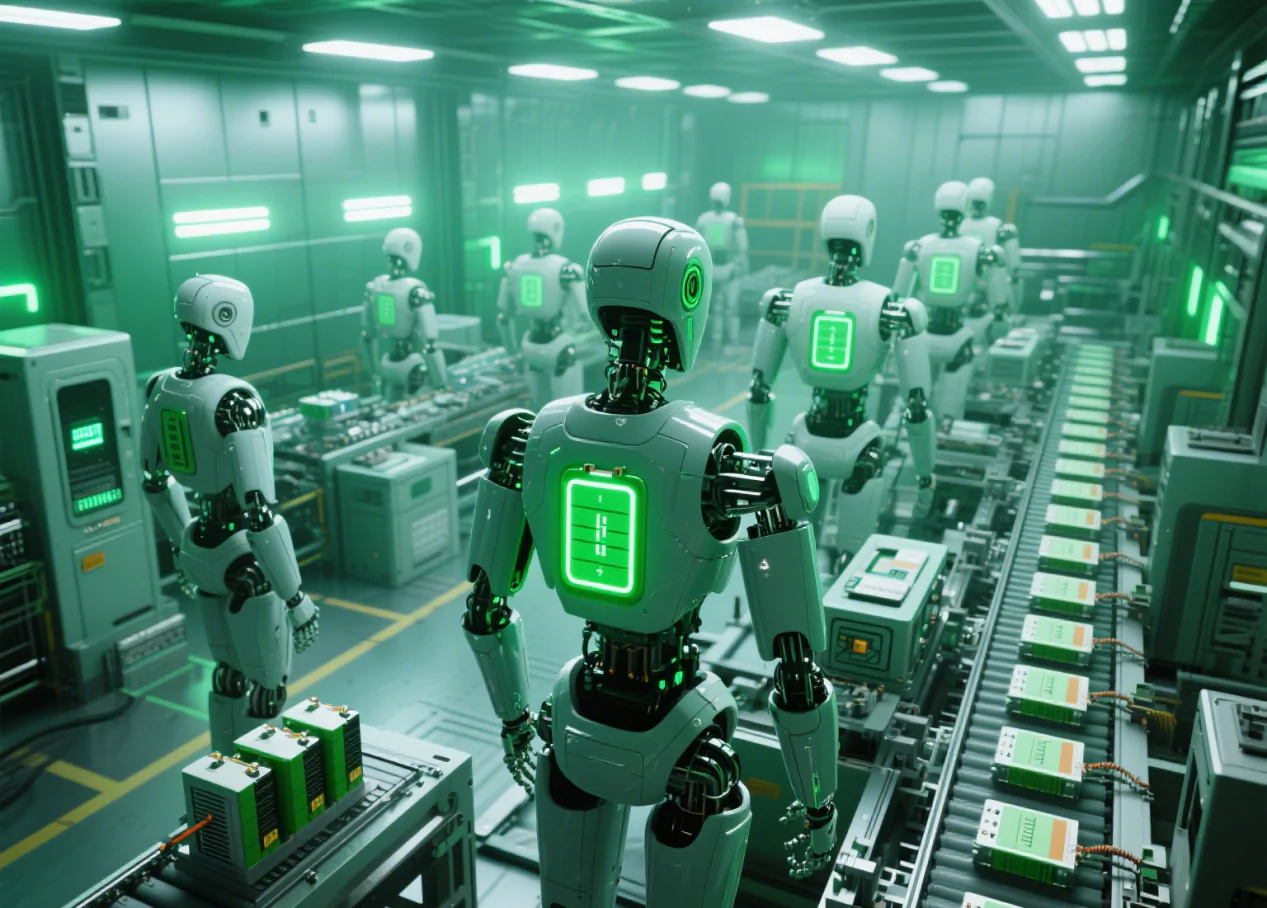
Currently, tech and automotive giants including Tesla, Xiaomi, Li Auto, and GAC are all entering the humanoid robotics arena. Among them, Tesla's Optimus project stands out, with its third-generation robot expected to debut in 2026. Musk optimistically predicts robots will be widely deployed across daily services, education, caregiving, and commerce, eventually reaching a 5:1 ratio with humans. Such intensive robot deployment imposes stringent demands on battery technology regarding safety, energy density, and endurance.
Traditional lithium batteries struggle to meet the prolonged continuous power requirements of humanoid robots due to technical limitations in energy density, stability, and volumetric efficiency. As a next-generation energy solution, solid-state batteries-with their high energy density (reaching 400-600 Wh/kg), exceptional safety, and extended cycle life-are emerging as the key technological pathway to solve this challenge.
Más allá de la robótica, las baterías de estado sólido y sus tecnologías derivadas de almacenamiento de energía están acelerando su penetración en otros sectores. En particular, en medio del desarrollo acelerado de la energía distribuida y las redes inteligentes, la demanda del mercado de sistemas de almacenamiento de energía continúa expandiéndose. Cada vez más, las empresas recurren a soluciones de almacenamiento reconocidas por su seguridad y alta eficiencia.
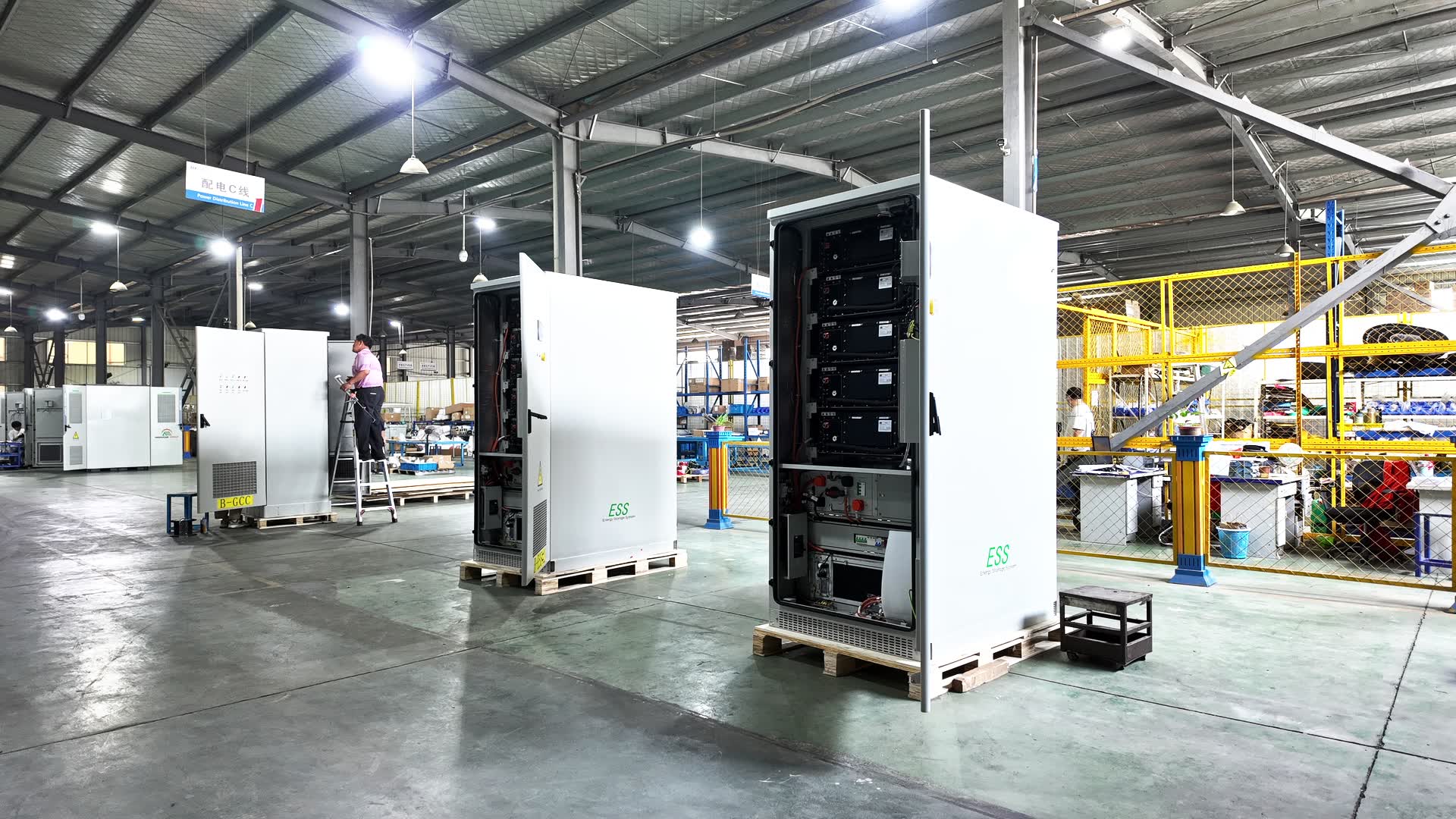
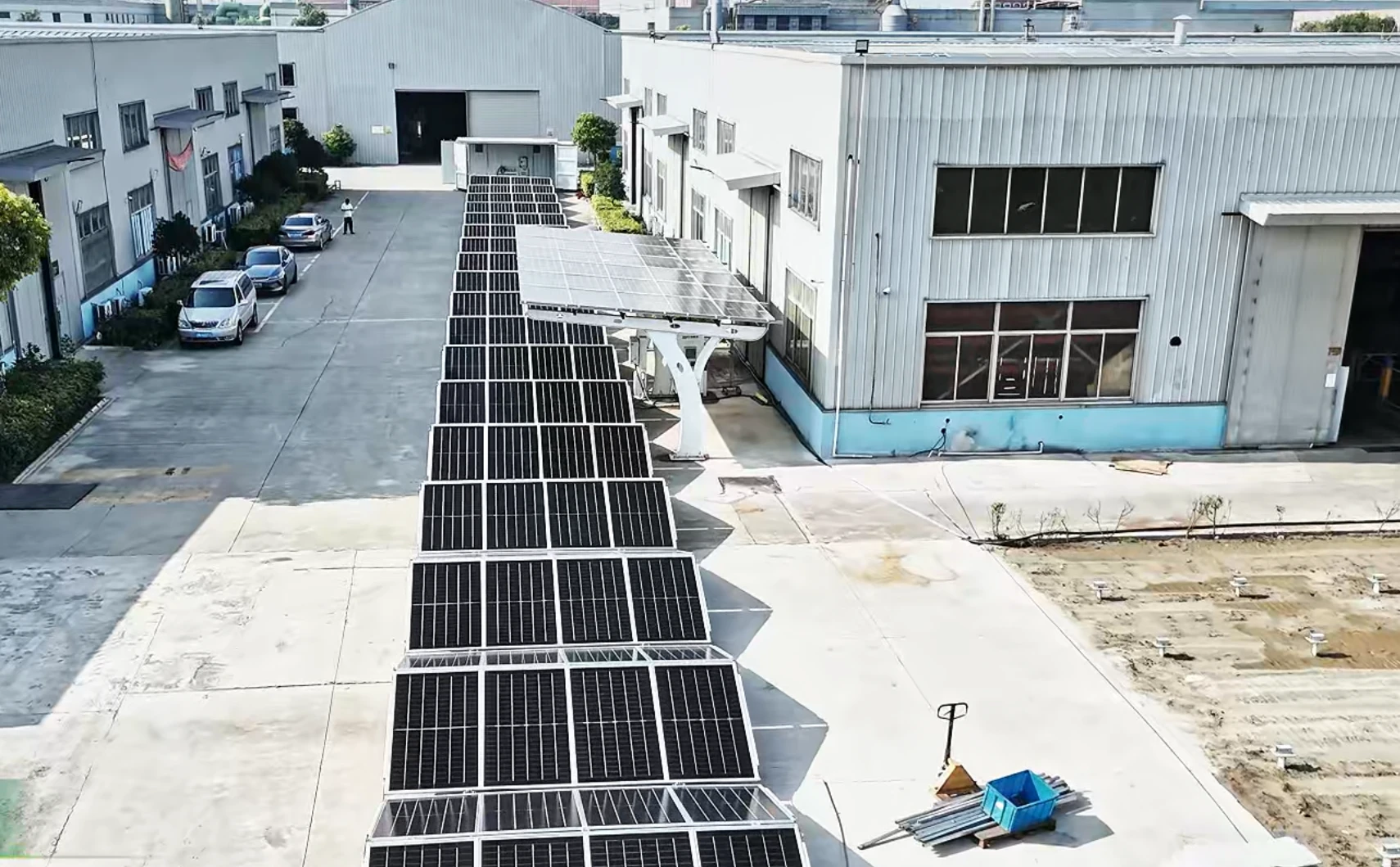
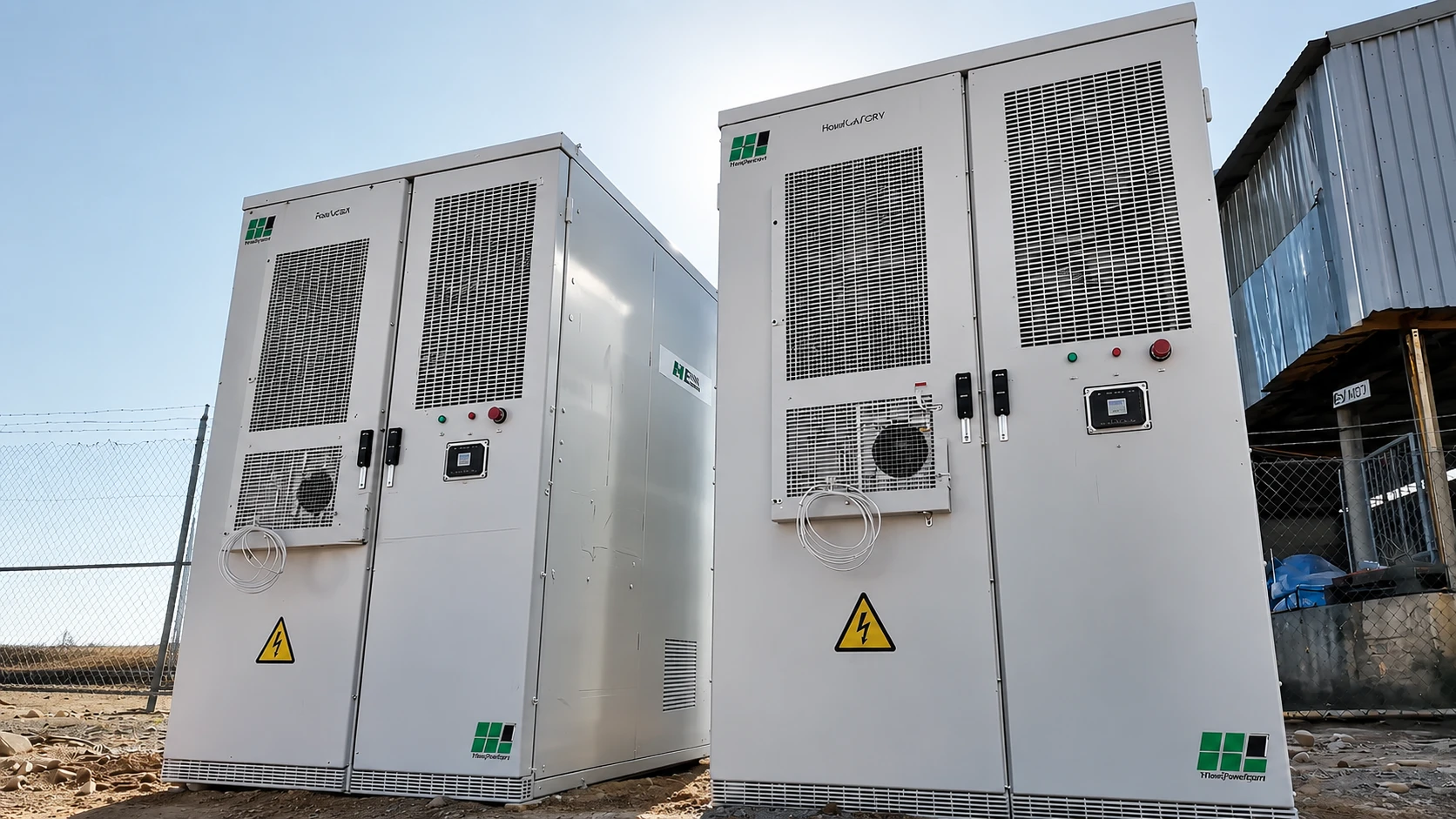
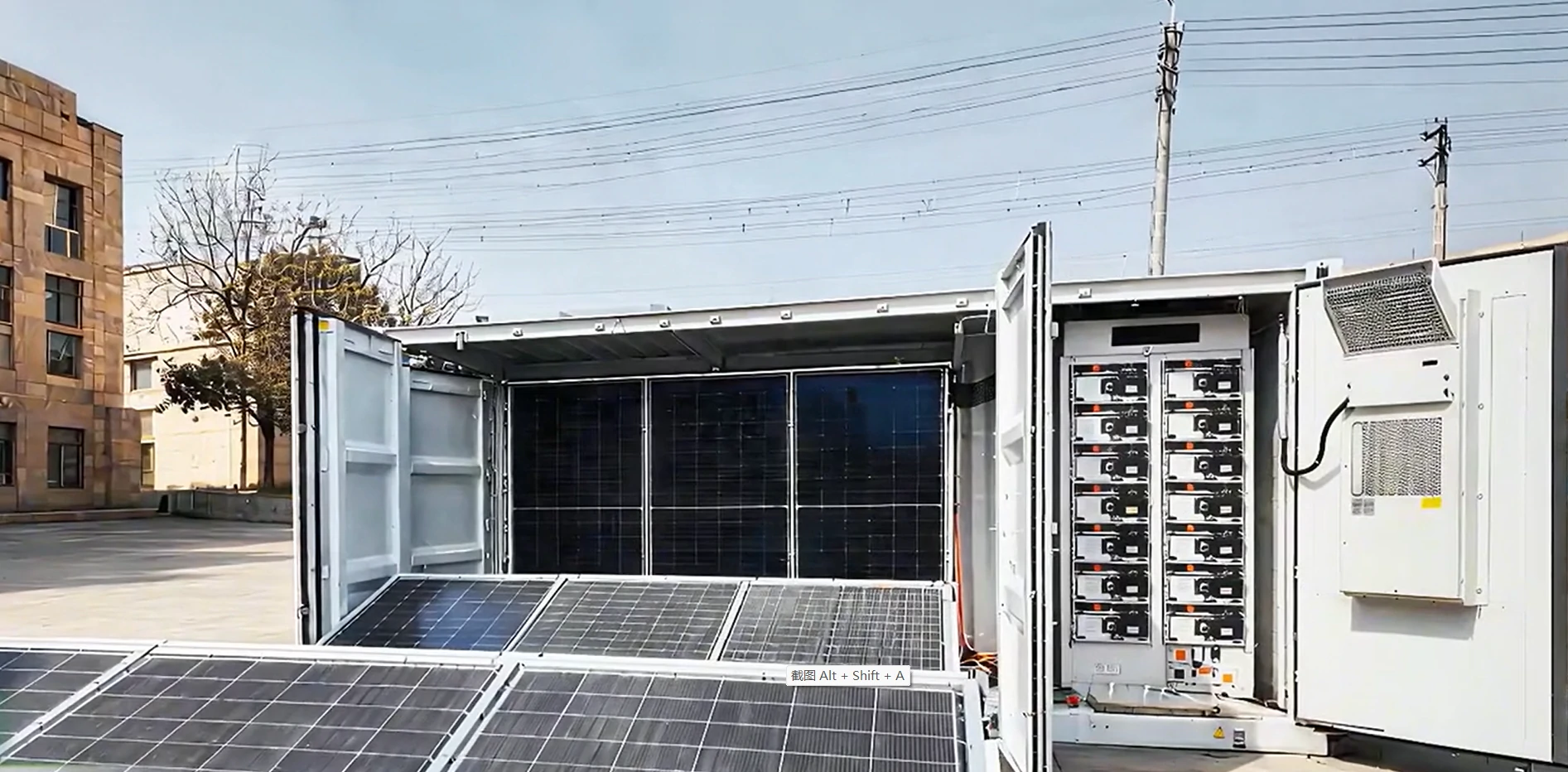
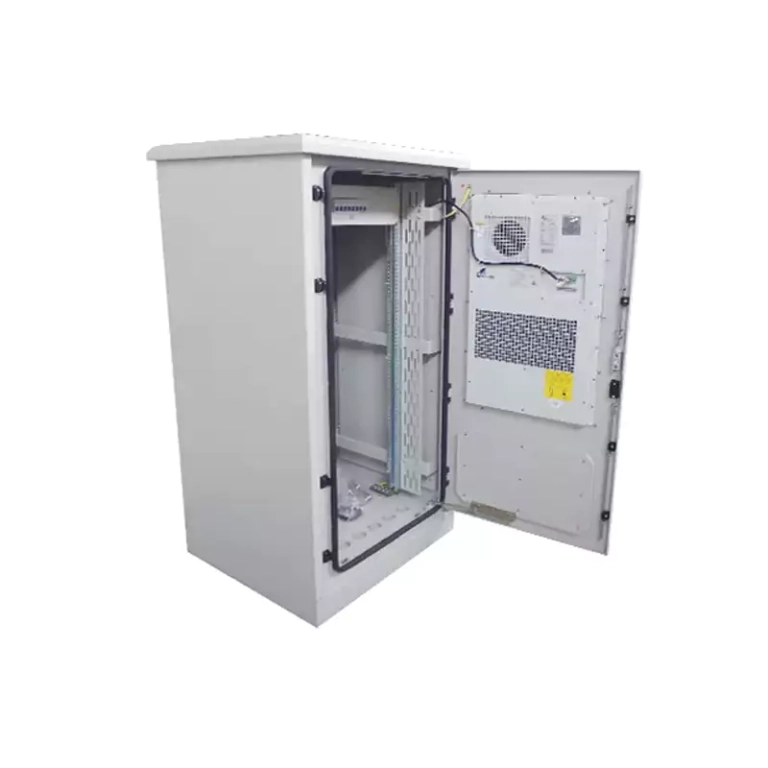
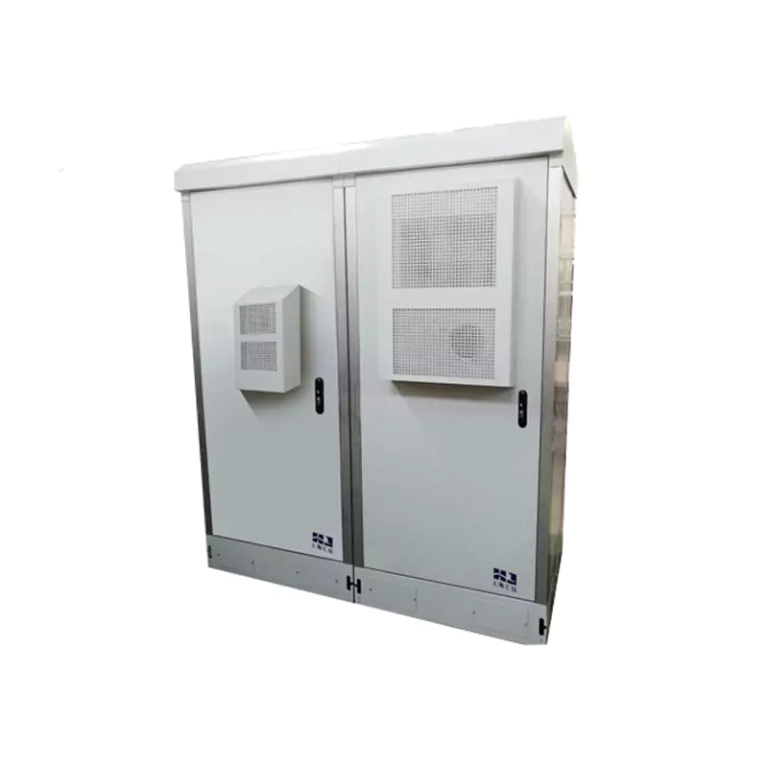
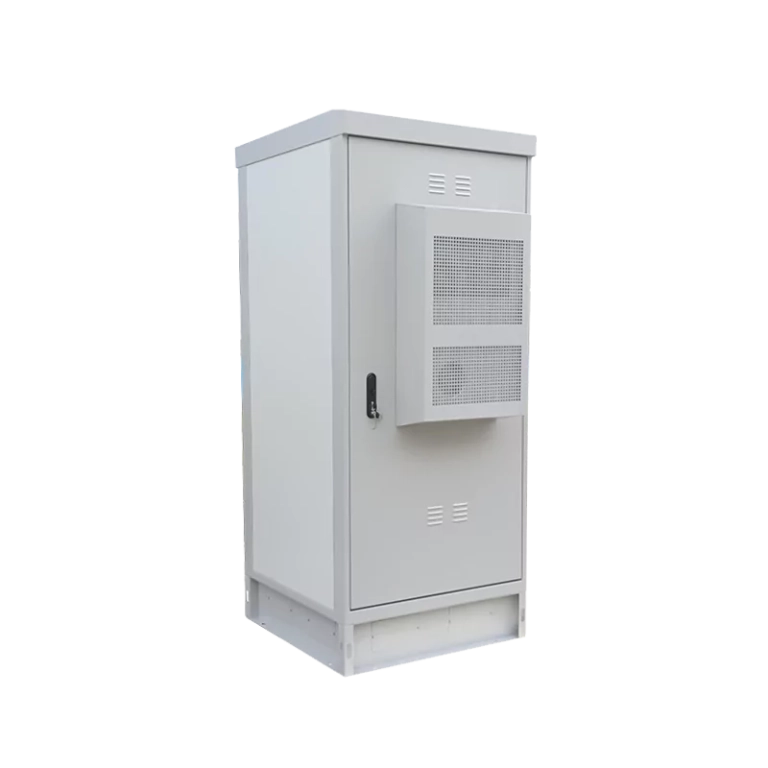
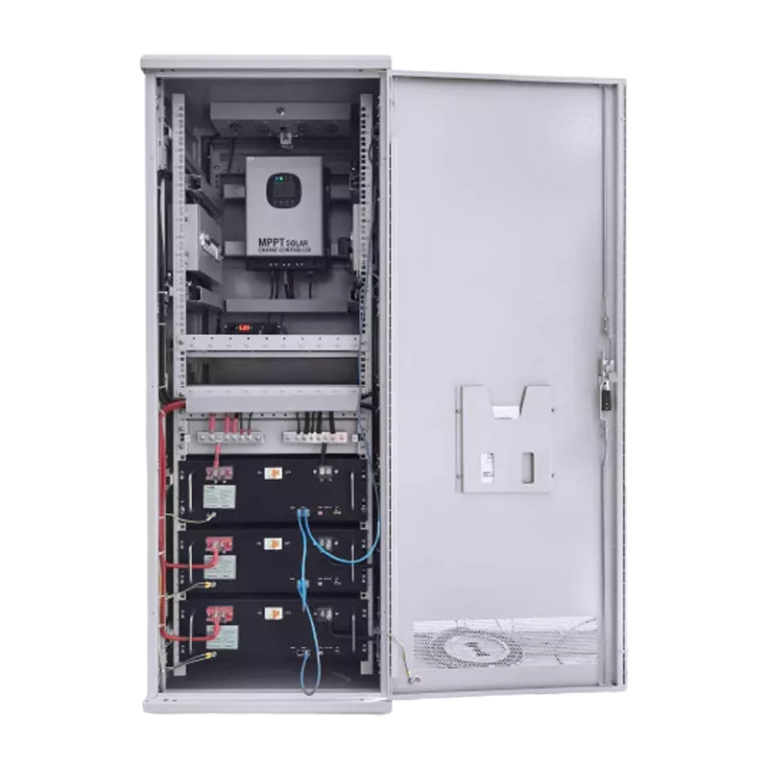
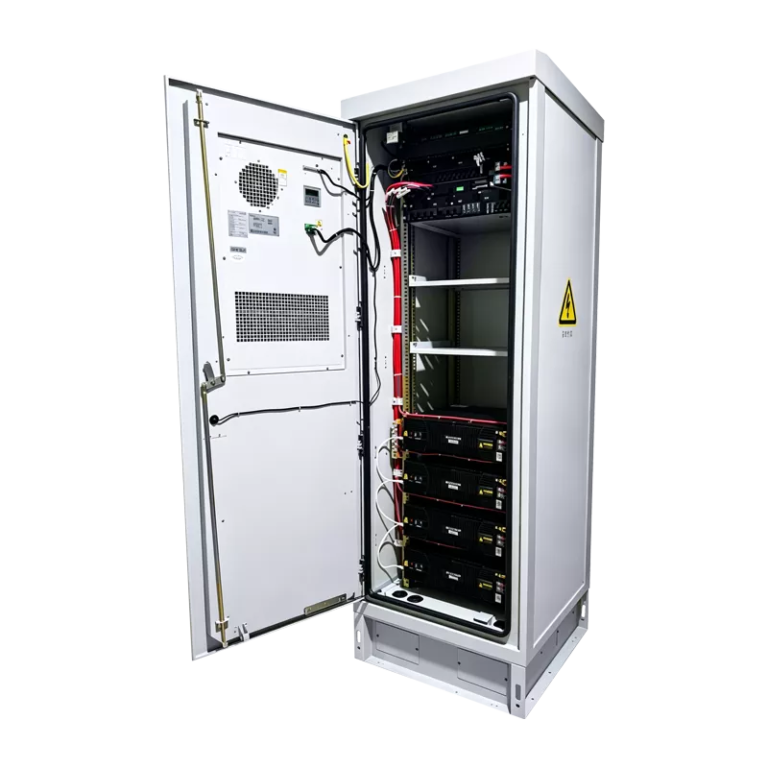
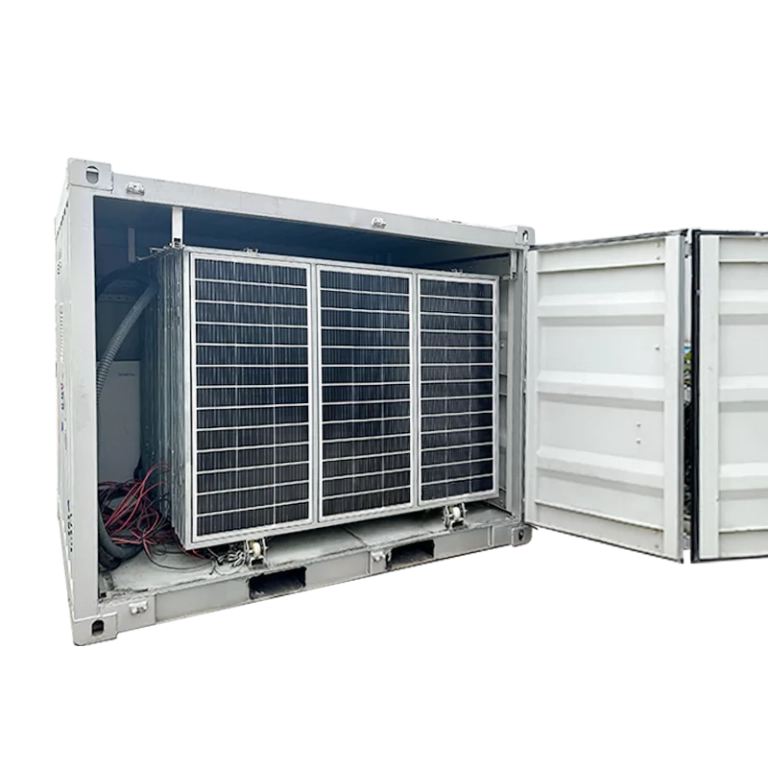
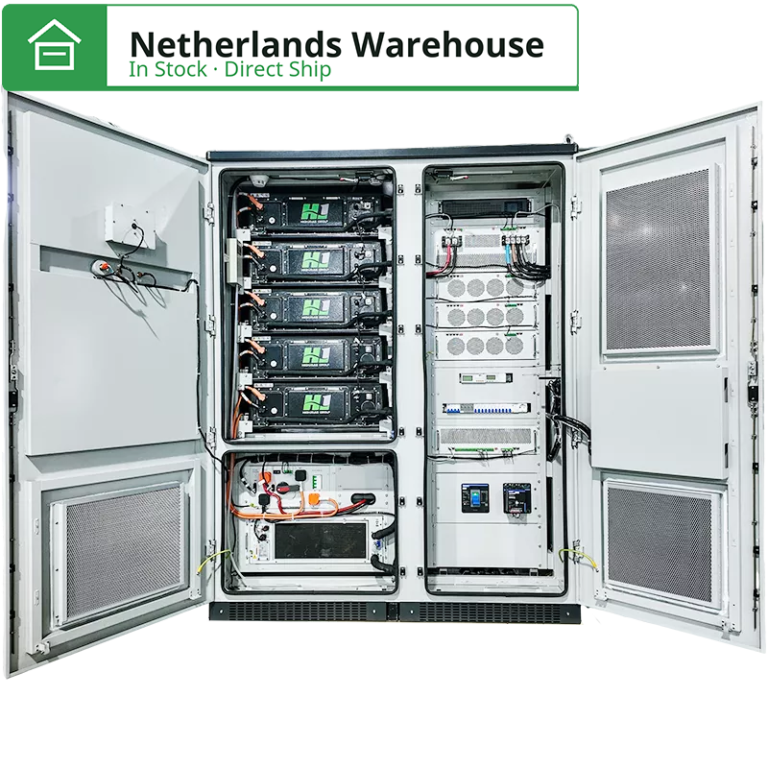
In this wave of industrial transformation, Huijue Technology Group is emerging as a pivotal force in the energy storage equipment sector. Its smart energy storage cabinets not only support flexible configurations and multi-scenario deployments but also integrate advanced battery thermal management, safety warning systems, and intelligent energy dispatch algorithms. These cabinets offer multiple advantages, including high energy efficiency, low losses, modular design, and ease of maintenance. HuiJue's energy storage products particularly excel in large-scale applications and scenarios demanding stringent safety performance. They find extensive use in new energy power stations, industrial parks, data centers, communication base stations, and smart city energy infrastructure.
Para abordar la urgente demanda de sistemas de energía de alta densidad en aplicaciones emergentes como robots, aeronaves de baja altitud y robots de servicio, Huijue desarrolla activamente soluciones de almacenamiento de energía personalizadas a través de I+D y colaboración, mejorando las capacidades técnicas en inteligencia, sistemas de control de baterías y optimización energética.
Notably, Huijue Technology Group participates in energy storage infrastructure construction globally, advancing the implementation of a new energy system centered on "renewable energy + storage." Moving forward, the company will intensify efforts in breakthroughs for core technologies like solid-state batteries, intelligent energy management systems, and modular energy storage platforms, accelerating product adoption in emerging markets.
Las baterías no son simplemente portadoras de energía; sirven como puente energético que conecta a la humanidad con la sociedad inteligente del futuro. A medida que continúan los avances en las tecnologías de baterías de estado sólido y sistemas de almacenamiento de energía, quienes dominen las tecnologías clave de estos sistemas aprovecharán la oportunidad de liderar la próxima ola de avances industriales.
Última actualización el 2025-09-18